
The right water temperature can make the difference between a comfortable shower and an unexpected burn. If your electric water heater produces water that feels too hot, too cool, or inconsistent, adjusting the temperature may restore comfort and improve energy efficiency. Fortunately, many standard electric water heaters allow homeowners to make simple thermostat adjustments without replacing the entire unit.
However, working around an electric water heater requires care. Electricity, hot water, and pressurized tanks can create real safety risks when handled incorrectly. This guide explains How to adjust the temperature on an electric water heater safely, what temperature range is commonly recommended, and when it is better to call a professional.
For homeowners who want dependable plumbing assistance, Pierce County Plumbing can help with water heater inspections, repairs, maintenance, and other plumbing needs.
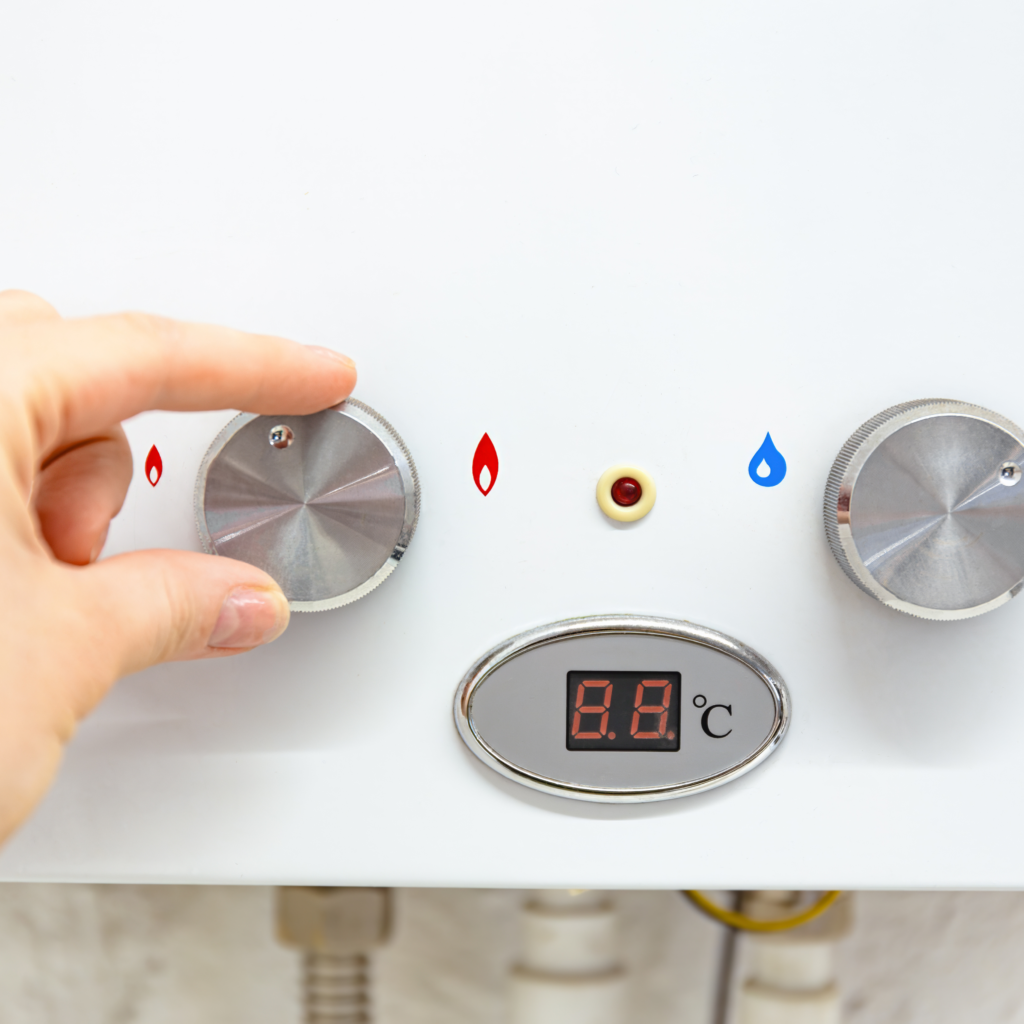
How to Adjust Temperature on Electric Water Heater Safely
Before you adjust anything, understand how your electric water heater is configured. Unlike some gas models, an electric unit typically uses one or two thermostats to control heating elements inside the tank. These thermostats regulate how warm the stored water becomes.
The first step is to locate the thermostat access panels on the outside of the tank. Many electric water heaters have insulated covers secured with screws. Beneath these covers, you may find the thermostat and electrical components.
Pierce County Plumbing recommends treating these components with caution. Before opening an access panel or making adjustments, switch off power to the heater at the appropriate circuit breaker. Do not rely only on the unit’s controls to determine whether electricity is present.
Once the power is off, allow the heater to cool sufficiently before handling any components. If you are uncomfortable identifying the correct breaker or accessing the thermostat, professional plumbing service is the safer choice.
Choose the Right Water Temperature
Selecting your desired temperature is about more than comfort. Excessively hot water can increase the risk of burns, particularly for children, older adults, and anyone with limited temperature sensitivity.
Many residential water heaters are set around 120 degrees Fahrenheit, although the ideal setting depends on household needs, plumbing configuration, and manufacturer recommendations. A higher setting may provide hotter water but can also increase energy consumption and scalding risk.
Before adjusting your heater temperature, think about How the water feels at your faucets and whether your household actually needs a higher setting. If the water is consistently too hot, lowering the thermostat may be appropriate. If it is not getting hot enough, a modest increase could improve comfort.
Pierce County Plumbing can also help homeowners determine whether an unusual temperature problem is caused by the thermostat, heating elements, plumbing system, or another component.
Turn Off the Electric Power First
Safety should always come before adjusting a thermostat dial. Because an electric water heater contains high-voltage wiring, touching an energized component can result in serious injury.
Find the circuit breaker that supplies power to the water heater and switch it off. If the breaker isn’t clearly labeled, don’t guess. An electrician or qualified plumber can help identify the correct circuit.
After turning off the breaker, verify that the heater is no longer receiving power before proceeding. This is especially important with older water heaters, where labeling may be inaccurate.
Never remove electrical covers while the unit is energized. Pierce County Plumbing encourages homeowners to stop the process and request professional assistance if anything about the electrical setup looks damaged, unfamiliar, or unsafe.
Adjust the Thermostat Dial
Once you’ve safely disconnected power, you can access the thermostat. Depending on the model, the temperature control may appear as a small dial with temperature markings or numbers.
If the thermostat has a dial, make small adjustments rather than making a dramatic change. On many models, turning the dial clockwise increases the setting, while turning it counterclockwise reduces it. However, the exact direction and markings can vary, so check the manufacturer’s instructions before turning anything.
If your model uses two thermostats, you may need to adjust both. Some electric water heaters have upper and lower heating elements, each controlled by its own thermostat. Generally, you need to coordinate the settings rather than change them randomly.
When you adjust the temperature, note the original setting. This makes it easier to return to the previous temperature if the new setting doesn’t give you the results you want.
Turn the Water Temperature Up or Down Carefully
If your water is not hot enough, you may want to increase the setting slightly. After adjusting it, restore power and give the tank enough time to heat the water before judging the result.
If the water is too hot, reduce the thermostat setting instead. Avoid repeatedly changing the dial within a short period because the tank needs time to respond.
Some people assume that turning the thermostat all the way up will provide faster hot water. In reality, it can increase the heater temperature beyond what is necessary and raise the risk of scalding. A moderate adjustment is usually more practical.
Pierce County Plumbing recommends testing the water after the heater has had sufficient time to complete a heating cycle. Use a faucet carefully and let the water run before checking the temperature. Do not place your hand directly under extremely hot water to test it.
Test the Correct Water Temperature
After adjusting the thermostat, test the water temperature as a final step. Start at a faucet that receives hot water from the heater and let it run for a short period.
Use a thermometer designed for measuring water for a more reliable reading instead of judging the temperature by touch. This helps you determine whether the adjustment actually produced your desired temperature.
Watch for signs that the heater may have another problem:
- Water remains unusually cold or unexpectedly switches between hot and cold.
- The water is excessively hot even after lowering the thermostat.
- The heater repeatedly trips the circuit breaker.
- Hot water runs out much faster than usual.
- You hear unusual noises coming from the tank.
- The thermostat or wiring appears damaged.
These symptoms may indicate a faulty heating element, thermostat problem, sediment buildup, electrical issue, or another repair need. Simply changing the thermostat dial may not solve the underlying problem.
Electric Water Heater Problems That Need Attention
Adjusting the thermostat is a relatively simple task on some electric water heaters, but temperature problems can have several causes. If the heater doesn’t respond after an adjustment, the thermostat may need testing or repair.
A faulty heating element can also prevent the tank from producing enough hot water. Sediment accumulation inside the tank may reduce heating performance and contribute to unusual noises. Electrical connections can also become problematic over time.
In homes with thermostatic mixing valves, the faucet temperature may not directly reflect the temperature inside the tank. These valves mix hot and cold water to deliver a controlled outlet temperature. If a mixing valve is malfunctioning, adjusting the heater thermostat may not correct the issue.
Pierce County Plumbing can inspect the complete system instead of focusing on the thermostat alone. Professional troubleshooting can help identify whether the problem involves the tank, heating elements, thermostats, mixing valves, faucets, or another part of the plumbing system.
Adjust Temperature for Comfort and Efficiency
A properly adjusted water heater can balance hot water availability, comfort, and energy use. Setting the heater excessively high does not necessarily mean you will have a better supply of hot water.
If your household uses a lot of hot water, the solution may involve more than raising the thermostat. Your water heater’s size, recovery rate, condition, and usage patterns all affect performance.
For example, multiple showers, laundry, and dishwashing at the same time can place greater demand on the tank. If the water frequently runs cold, the heating system may have an issue, or the heater may simply be undersized for the household.
Routine maintenance can also help electric water heaters operate more reliably. Pierce County Plumbing can evaluate an aging unit and help homeowners determine whether repair, maintenance, or replacement makes the most sense.
When to Call Pierce County Plumbing
Knowing how to adjust the temperature on electric water heater systems can be useful, but homeowners should recognize when a simple adjustment has become a larger plumbing or electrical concern.
If you cannot safely identify the circuit breaker, notice damaged wiring, see leaking water around the tank, smell something unusual, or experience repeated electrical trips, stop working on the heater. Do not remove additional components or attempt thermostat repair without the appropriate knowledge and equipment.
Professional help is also worthwhile when temperature problems continue after an adjustment. Persistent issues may point to a defective thermostat, heating element, tank problem, thermostatic mixing issue, or another plumbing concern.
Pierce County Plumbing provides professional water heater and plumbing services designed to help homeowners maintain dependable hot water and a safe plumbing system. Whether you need troubleshooting, repair, maintenance, or guidance with an aging water heater, experienced service can prevent a small temperature issue from becoming a bigger problem.
Contact Us
Adjusting an electric water heater does not have to be complicated, but it should never be rushed. Turn off the power, follow the manufacturer’s instructions, make small thermostat adjustments, and test the water carefully after allowing the heater time to respond.
The goal is not simply to make the water hotter. It is to achieve a comfortable, practical temperature while minimizing unnecessary energy use and reducing the risk of burns.
When your hot water system needs more than a thermostat adjustment, trust Pierce County Plumbing to help get your home’s hot water working safely and reliably. Contact the team today for professional water heater service and plumbing solutions you can count on.
