
A reliable sewer line is one of those home systems you rarely think about until something goes wrong. From everyday wastewater to kitchen and bathroom drainage, your sewer system plays a vital role in keeping your home clean, functional, and comfortable. Proper installation is essential because even a small mistake in pipe placement, slope, or connection can lead to backups, leaks, or expensive repairs.
If you are wondering How to install a sewer line, it is important to understand that this is more than simply digging a trench and placing a pipe. Sewer installation requires careful planning, accurate measurements, suitable materials, proper equipment, and attention to local plumbing requirements. For homeowners considering a new residential sewer connection, understanding the process can also help you make informed decisions when hiring a professional.
At Pierce County Plumbing, we believe that knowing what goes into a sewer project gives homeowners greater confidence in the work being performed. This guide explains the major stages of sewer line installation and highlights why professional workmanship matters.
Planning the Sewer System Before Work Begins
Every successful sewer project starts with a detailed plan. Before excavation begins, evaluate the property’s existing drainage system to determine where wastewater currently travels and where the new sewer line should connect.
Consider the main sewer location, property boundaries, existing utilities, structures, driveways, landscaping, and other underground features. The planned route should provide an efficient path from the home to the appropriate connection point while allowing enough room for proper pipe installation.
Professionals also need to determine the pipe size, material, required fittings, connection points, and expected flow. Depending on the project, permits, inspections, and local requirements may also apply.
Pierce County Plumbing can evaluate the project requirements and help homeowners understand the work involved before excavation starts. Careful preparation reduces surprises and helps ensure that the completed sewer system performs reliably for years.
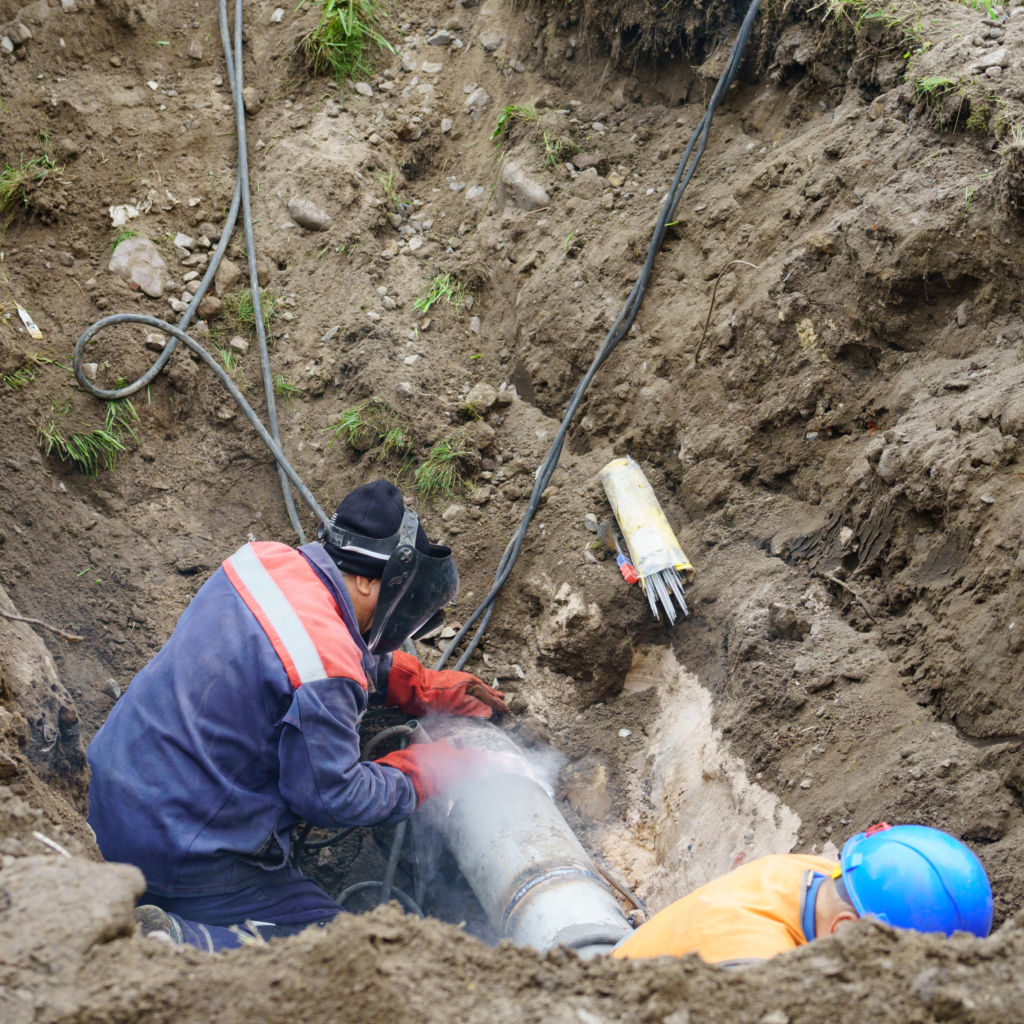
Choosing the Right Pipe for Sewer Installation
The pipe is one of the most important components of a sewer line. It must be durable enough to handle wastewater, underground pressure, soil conditions, and normal movement without developing leaks or structural problems.
Different projects may call for different types of sewer pipe. Common materials include PVC and other approved piping products, with the appropriate choice depending on local requirements, site conditions, design, and the property’s existing plumbing.
The pipe should also have the correct diameter and fittings for the intended application. Using unsuitable materials or improperly sized pipes can restrict drainage and create problems throughout the system.
During sewer installation, carefully align and seal every connection. A professional installation also considers how the pipe will interact with the surrounding soil and other components of the drainage system.
Understanding the Pipe’s Depth and Trench Requirements
Once the route has been established, excavation can begin. The trench must be deep and wide enough to accommodate the sewer pipe while providing adequate working space and suitable protection.
The required pipe’s depth is not identical for every property. It can depend on factors such as the connection point, ground conditions, local requirements, existing utilities, climate, and the desired slope of the line.
Before digging, identify underground utility locations. This is an important safety step because excavation can damage buried electrical, gas, water, or communication lines.
Prepare the trench so the pipe has a stable foundation. Loose soil, rocks, or debris beneath the pipe can create uneven support and may eventually contribute to movement or damage. Proper bedding material can help provide a consistent surface for the pipe.
Establishing the Correct Slope for Efficient Drainage
One of the most important parts of learning How to install a sewer line is understanding slope. Sewer pipes generally rely on gravity to move wastewater toward the main sewer or another approved connection point.
If the slope is too shallow, wastewater may move too slowly, allowing solids to collect inside the pipe. If the slope is excessive, liquid can move faster than solid material, potentially leaving solids behind. The correct slope must be carefully established based on pipe size, system design, and applicable requirements.
Professionals use accurate measuring equipment to establish elevations and maintain the intended grade throughout the installation. The trench bottom and pipe position may need adjustment during the project to maintain consistency.
A properly graded sewer line supports efficient flow and reduces the risk of recurring drainage problems. This is one reason experienced plumbing professionals are valuable for residential sewer projects.
Installing and Connecting the Sewer Line
With the trench prepared and the grade established, the team can proceed with pipe installation. Professionals position pipes carefully along the trench and connect each section according to the manufacturer’s requirements.
Connections must be properly aligned and secured. Improper joints can allow wastewater to escape into surrounding soil or permit groundwater to enter the system. Either problem can eventually cause significant damage.
Depending on the project, cleanouts may also be incorporated to make future inspection and maintenance easier. Use suitable fittings for direction changes rather than improvised connections.
During line installation, the team should check the entire route for proper alignment and slope. Pierce County Plumbing approaches sewer projects with attention to these details because small installation issues can become major plumbing problems if they are overlooked.
Testing the Sewer and Drainage System
Before closing the trench, inspectors should inspect and test the completed sewer line. Testing helps identify problems while the pipe remains accessible, making corrections much easier than repairing a buried line later.
The inspection process can involve checking pipe connections, alignment, slope, flow, and overall condition. In some projects, crews use specialized inspection equipment to view the interior of the sewer pipe and identify potential concerns.
A properly functioning drainage system should move wastewater efficiently without leaks, blockages, or unexpected pooling. Address any problems discovered during testing before final backfilling.
This stage matters because a sewer line may look perfectly installed from above while still having an issue beneath the surface. Professional testing provides an additional layer of confidence in the completed system.
Backfilling the Trench After Pipe Installation
Once the sewer line passes the necessary checks, you can backfill the trench. Handle this process carefully, as heavy soil or equipment placed directly against an improperly supported pipe can cause movement or damage.
Place suitable material around the pipe first to provide proper support. Then fill the remaining trench in layers, as appropriate for the site.
Compaction also matters. Poorly compacted soil can settle over time, potentially creating depressions in yards, driveways, or other areas above the sewer line.
Restore the final surface as closely as possible to its original condition. Depending on where excavation occurred, restoration could involve soil, grass, pavement, concrete, or landscaping.
Tools, Equipment, and Professional Sewer Services
Installing a sewer line requires more than basic plumbing tools. Depending on the project’s size and complexity, professionals may use excavation equipment, measuring devices, pipe-cutting tools, leveling equipment, inspection cameras, compacting equipment, and other specialized tools.
The right equipment helps improve accuracy and efficiency while reducing unnecessary disruption to the property. However, equipment alone does not guarantee a successful installation. Experience matters just as much when determining trench depth, pipe placement, slope, connections, and site-specific challenges.
For homeowners, hiring professional sewer services can also reduce the risks associated with underground construction. A qualified plumbing team understands the importance of planning, safe excavation, proper materials, and thorough testing.
Pierce County Plumbing provides plumbing services designed around dependable workmanship and practical solutions. Whether a project involves a new residential sewer connection, replacing an aging line, or another plumbing need, a professional evaluation can help ensure the system is installed correctly.
When to Hire a Professional for Sewer Installation
A new sewer line is a significant plumbing project, and attempting a complex installation without the necessary knowledge or equipment can create costly problems. Homeowners may also encounter buried utilities, difficult soil, elevation changes, limited property access, or connection requirements that aren’t obvious at first.
Professional assistance is particularly valuable when the project involves:
- A new sewer connection for a home
- Replacement of a damaged or deteriorated sewer line
- Difficult excavation conditions
- Connection to an existing main sewer
- Significant changes in property elevation
- Recurring drainage problems that indicate a deeper issue
Working with an experienced plumbing company can make the process more organized from the initial assessment through final testing. Pierce County Plumbing can help homeowners understand their sewer installation needs and determine the appropriate approach for their property.
Keep Your Sewer System Reliable With the Right Installation
A sewer line may be hidden underground, but its performance affects nearly every part of your home’s plumbing. Correct planning, suitable pipe materials, accurate depth, proper slope, secure connections, thorough testing, and careful backfilling all contribute to a dependable sewer system.
Understanding how to install a sewer line can help you recognize the complexity involved and appreciate the value of professional workmanship. Instead of treating sewer installation as a simple excavation project, homeowners should view it as an important part of the property’s overall drainage infrastructure.
If you are planning a sewer project or concerned about an existing sewer line, Pierce County Plumbing is ready to help with professional plumbing services and dependable solutions. Give your sewer system the attention it deserves today, and take the first step toward a cleaner, more reliable flow throughout your home.
